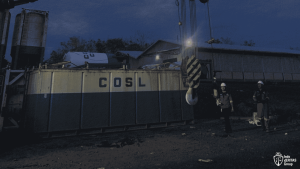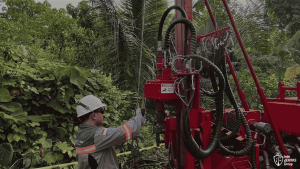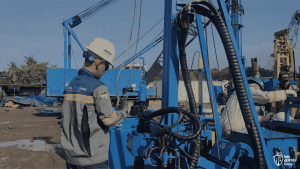

Operating lifting equipment such as cranes or hoists without proper load testing can pose serious risks. A single failure may lead to equipment damage, operational downtime, and even safety hazards for workers.
What Is Load Testing?
Load testing of lifting equipment is the process of applying a load to verify that equipment such as cranes, hoists, or forklifts can safely lift loads up to their maximum rated capacity.
The main purpose of load testing is to verify the suitability and safety of equipment before it is used in daily operations. This process also helps identify potential weaknesses or hidden defects that could lead to failure in the future.
Load testing is conducted in accordance with applicable safety standards and regulations, such as ASME, OSHA, or SNI, depending on the region and type of equipment.
Types of Load Testing
Below are several common load testing methods used to ensure equipment operates in accordance with standards:
1. Proof Load Testing
This test is performed by applying a load that exceeds the Safe Working Load (SWL) or Working Load Limit (WLL), typically around 125% to 150%, to verify the structural integrity of the equipment.
Application examples: tower cranes before use on construction projects, or newly installed electric hoists in production facilities.
2. Periodic Load Testing
Conducted routinely according to a maintenance schedule or after major repairs to ensure the equipment continues to meet safety standards.
Application examples: forklifts in logistics warehouses or chain hoists after replacement of major components.
3. Load Testing After Modification
Mandatory whenever equipment undergoes structural modification or major component replacement, to ensure performance remains optimal.
Application examples: cranes with replaced booms or winches, or lifting beams with redesigned lifting capacities.
How Does Load Testing Work?
The testing process is carried out in a structured manner to ensure accurate and accountable results:
1. Defining the Test Objective and Equipment
Technicians identify the type of equipment, its lifting capacity, and the purpose of testing—whether for certification, periodic inspection, or post-modification verification.
2. Preparing the Test Load
The test load may consist of dead weights (such as concrete or solid steel) or liquid loads (water-filled tanks). All loads must be calibrated to ensure accurate test results.
3. Conducting the Test
The load is lifted or held by the equipment for a specified period. During the test, technicians monitor for deformation, unusual noises, or any signs of malfunction.
4. Documentation and Analysis
Test data is recorded and analyzed. If the equipment passes the test, it is declared fit for use. If anomalies are detected, corrective actions are taken before the equipment is returned to service.
Benefits of Conducting Load Testing
Beyond ensuring functionality, load testing offers several important benefits, including:
1. Ensuring Workplace Safety
Preventing accidents caused by lifting equipment failure and protecting workers on site.
2. Ensuring Optimal Performance
Verifying that equipment operates at its rated capacity without compromising productivity and efficiency.
3. Compliance with Regulations and Standards
Demonstrating compliance with national and international standards such as OSHA or SNI.
4. Reducing Downtime Risk
Identifying potential issues early to prevent losses caused by unexpected operational disruptions.
The Importance of Load Testing for Operational Sustainability
Load testing is not merely a formality, it is a critical part of risk management and occupational safety assurance. With proper load testing, companies can ensure that lifting equipment operates in accordance with standards, supports operational efficiency, and minimizes the risk of accidents.
Need to ensure your lifting equipment is ready for operation? Schedule professional load testing with our team and make sure all your equipment operates safely and in full compliance with regulations.