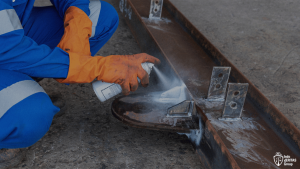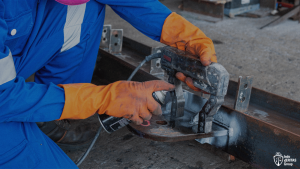

Basic safety refers to the fundamental principles and procedures used to ensure that the workplace is safe for all workers. This concept includes various measures and standards designed to prevent accidents and protect the health and well-being of individuals at work.
What Is Basic Safety?
Basic safety is a set of preventive actions taken to ensure worker safety and to prevent accidents or injuries in the workplace.
It includes identifying potential hazards, using personal protective equipment (PPE), implementing emergency procedures, and managing the work environment so everyone can work safely.
The main objective of basic safety is to create a work environment free from risks that could cause physical injury or damage to property.
Basic Safety Principles
Risk Identification and Assessment
The first step in implementing workplace safety is recognizing and assessing risks in the work environment. This process involves reviewing activities, conditions, and equipment that may pose hazards to workers.
Example application: Identifying potential hazards such as moving machinery, slippery surfaces, or flammable chemicals in a factory.
Use of Personal Protective Equipment (PPE)
PPE is used to protect workers from potential workplace risks. Its use is a basic requirement that must not be overlooked.
Examples of PPE include helmets, eye protection, masks or respirators, gloves, safety shoes, and hearing protection.
Emergency and Evacuation Procedures
Emergency situations such as fires, chemical spills, or workplace accidents require fast and well-structured responses. Therefore, it is essential to have clear evacuation procedures and conduct regular drills so workers are prepared when emergencies occur.
Example implementation: Clearly marked evacuation routes, fire extinguisher usage drills, and properly functioning alarm systems.
Equipment Maintenance and Inspection
Poorly maintained equipment can become a source of accidents. For this reason, regular inspections and maintenance are necessary to ensure all tools and equipment operate properly and are safe to use.
Example implementation: Checking electrical cables, replacing worn machine components, and performing routine lubrication on heavy equipment.
Benefits of Basic Safety in the Workplace
Preventing Accidents and Injuries
Proper basic safety measures can reduce the likelihood of accidents that harm workers and the company. The use of PPE and routine equipment inspections are simple yet highly effective preventive actions.
Example benefit: Reduced injury rates caused by slips, machinery entrapment, or exposure to hazardous chemicals.
Improving Productivity and Performance
A safe work environment creates a sense of comfort and confidence for workers, allowing them to focus better on their tasks. This directly contributes to increased productivity and team efficiency.
Compliance with Legal Regulations and Safety Standards
Companies are required to comply with safety regulations issued by government authorities or international standards. Failure to do so can result in legal sanctions and damage to the company’s reputation.
Example implementation: Complying with workplace safety standards such as OSHA, ISO 45001, or national labor regulations.
Implementation of Basic Safety Across Various Industries
Construction Industry
Workplace safety in construction includes the use of PPE such as helmets, vests, and safety shoes, as well as safe work procedures when using scaffolding or heavy equipment. Work areas must also be clearly marked and controlled to minimize the risk of falls or falling objects.
Manufacturing Industry
Heavy machinery and complex production processes in manufacturing require strict safety implementation. Workers must receive training on safe machine operation and be equipped with appropriate protective gear such as gloves and ear protection.
Transportation Industry
In the transportation sector, safety includes vehicle maintenance, seat belt usage, and training to handle emergency situations on the road. Communication and navigation protocols also play an important role in accident prevention.
The Importance of Basic Safety in Ensuring a Safe Work Environment
Basic safety is not merely a set of procedures, but an essential part of a responsible work culture. When implemented properly, it not only protects employees from risks but also ensures smooth and efficient business operations.
Every company must be committed to providing safety training, updating procedures, and creating work systems that prioritize human protection.
Want to create a safer and more efficient work environment?
Learn more about implementing basic safety in your workplace and make worker safety a top priority at every operational stage.