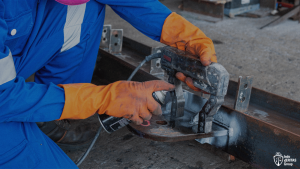
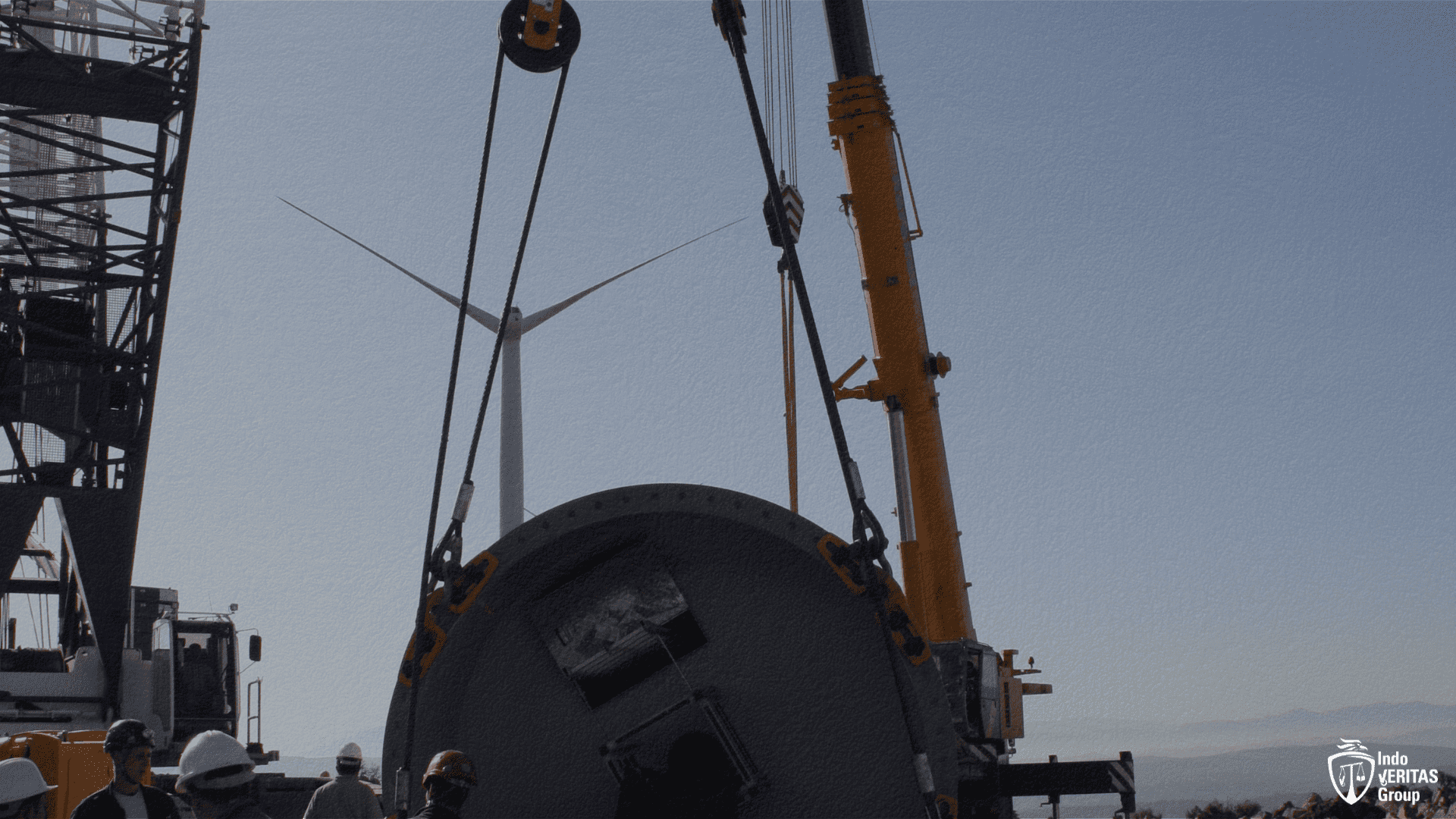
The use of heavy equipment or large structures without understanding their load limits can pose significant risks. Loading tests play a vital role as load testing procedures to ensure that all systems are ready to operate safely and reliably. These tests are not merely a formality, but a crucial step in maintaining safety and operational performance.
What Is a Loading Test?
A loading test is a testing process in which a load is applied to an object, whether a physical structure, mechanical equipment, or even a system, to evaluate its response to the applied stress.
The primary objective is to ensure that the object can withstand the specified load without experiencing damage or failure. This procedure is applied across various sectors, including construction, manufacturing, logistics, transportation, and even information technology, and is carried out in accordance with applicable safety standards.
Types of Loading Tests
Below are common loading test methods used across different industries:
1. Static Loading Test
In this test, a constant load is applied for a specific period. The purpose is to evaluate structural stability under static conditions and to detect potential deformation or damage.
Application examples: load-bearing capacity testing of bridges, building foundations, or pile foundations.
2. Dynamic Loading Test
Loads are applied repeatedly or variably to simulate dynamic conditions such as vibration or cyclic loading. This test assesses the ability of a structure to withstand continuous changes in pressure.
Application examples: buildings housing heavy machinery or structures exposed to periodic vibrations.
3. Proof Load Test
A load exceeding the nominal capacity is applied to test the strength and integrity of an object. This method ensures that the structure or equipment remains safe even when subjected to loads above its design specifications.
Application examples: lifting equipment, structural components, or safety cables.
4. Fatigue Load Test
This test evaluates a material’s resistance to repeated loading over a long period. Even when the load does not exceed the maximum limit, repetition can cause material fatigue.
Application examples: aircraft frames, pipelines, or other transportation-related structures.
5. Shear and Bending Load Test
This test focuses on resistance to shear forces and bending moments. The objective is to determine the deformation limit before material failure occurs.
Application examples: beams, plates, steel frames, or pipes in building structures and machinery.
How to Perform an Effective Loading Test
To obtain accurate and reliable results, loading test procedures must be carried out systematically.
1. Define the Test Objective and Type
Identify the object to be tested and the purpose of the test, whether to assess structural strength, resistance to dynamic loads, or the stability of physical components.
2. Determine the Applied Load
The load must be appropriate for the object, whether in the form of actual weight, pressure, or a specific force. Selecting a realistic load is critical for accurate results.
3. Conduct the Test Gradually
Loads are typically increased in stages to evaluate the object’s response under various scenarios. This approach helps detect early signs of failure before serious damage occurs.
4. Data Analysis and Evaluation
Data such as deformation, cracks, or displacement are analyzed to determine whether the object meets standards or requires corrective action.
Benefits of Conducting a Loading Test
1. Ensuring Safety and Performance
This testing ensures that structures or systems can withstand actual working loads, reducing the risk of accidents or operational disruptions.
2. Identifying Weaknesses Early
Loading tests help uncover weak points before major failures occur, providing a basis for reinforcement or repair.
3. Optimizing Operational Efficiency
Properly tested systems operate more stably and efficiently, improving productivity and reducing long-term maintenance costs.
Conclusion
Understanding the types of loading tests and their applications is essential to ensure lifting equipment or structures operate safely, efficiently, and within their rated capacity. Regular testing is not only about compliance, but also a strategic approach to workplace safety and operational sustainability.
Indo Veritas Group is ready to help ensure your lifting equipment passes testing and is ready for operation. Contact our team for professional loading test services in accordance with industry standards.