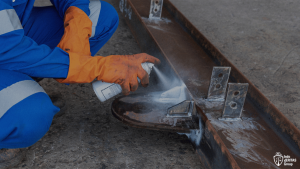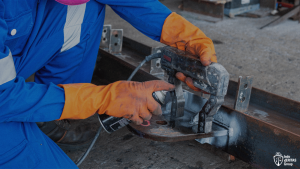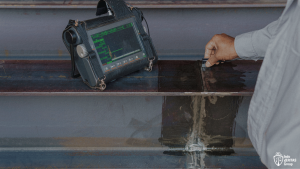

Lifting gear inspection is a technical evaluation process applied to all lifting equipment and accessories used in load handling operations. The purpose of this inspection is to ensure that every lifting gear component remains in a safe, serviceable condition and is capable of supporting loads within the Working Load Limit (WLL) specified by the manufacturer and applicable safety standards.
In lifting operations, the failure of a single lifting gear component can lead to the collapse of the entire system. Therefore, lifting gear inspection is a fundamental element of risk control and fatality prevention in the workplace.
Why Is Lifting Gear Inspection Mandatory?
Lifting gear inspection is mandatory because lifting equipment operates under conditions of high stress, static loads, and dynamic forces. Minor defects such as micro-wear, material elongation, or early-stage cracking may not be visible to the naked eye but can develop into structural failure when the load is applied.
Without consistent and documented inspection, the risk of dropped objects, overloading, and uncontrolled load movement increases significantly.
What Is Lifting Gear?
Lifting gear refers to all equipment and accessories used to lift, lower, suspend, or move loads during lifting operations. Lifting gear itself does not generate lifting force; rather, it transfers force from the primary lifting device (crane, hoist, forklift) to the load.
Examples of lifting gear include:
- Wire rope slings
- Chain slings
- Webbing slings
- Shackles
- Hooks
- Eye bolts
- Master links
- Lifting beams and spreader bars
Objectives of Lifting Gear Inspection
1. Verifying Structural and Mechanical Integrity
Inspection ensures that lifting gear continues to meet the mechanical, dimensional, and material requirements necessary to safely support the intended working load.
2. Preventing Failures Caused by Material Degradation
Lifting gear materials degrade over time due to friction, corrosion, fatigue, and environmental exposure. Inspection enables early identification of such degradation.
3. Ensuring Compliance with Regulations and Standards
Inspection provides evidence of compliance with occupational safety regulations, international standards, and safety, insurance, and audit requirements.
Lifting Gear Components Requiring Technical Inspection
1. Slings (Wire Rope, Chain, and Webbing)
Sling inspection should include:
- Number of broken wires (wire rope) against discard criteria
- Diameter reduction due to wear
- Permanent elongation in chain slings
- Fiber damage, cuts, or discoloration in webbing slings
- Internal and external corrosion
Slings must be removed from service when any parameter exceeds standard limits.
2. Shackles
Shackle inspection includes:
- Cracks in the body and pin
- Wear on bearing surfaces
- Deformation (bending or elongation)
- Thread condition and fit between pin and body
Deformed shackles must not be repaired by heating or re-forging.
3. Hooks
Hooks shall be inspected for:
- Throat opening increase
- Hairline cracks
- Deformation caused by overload
- Presence and function of the safety latch
Hooks without a safety latch or with a non-functioning latch must be declared unserviceable.
4. Chains and Master Links
Inspection shall cover:
- Link elongation
- Material diameter wear
- Fatigue cracking
- Deformation of master links
Elongation beyond allowable limits indicates overloading and requires immediate removal from service.
5. Labels, Markings, and Identification
Each lifting gear item must have:
- WLL marking
- Manufacturer identification
- Serial or batch number
Lifting gear without identification is considered to have no verified load capacity and must not be used.
Types of Lifting Gear Inspection
1. Pre-Use Inspection
A quick inspection performed by the operator or rigger before use, focusing on visible damage and basic functionality.
2. Periodic Inspection
A technical inspection conducted by competent personnel at defined intervals. This may include dimensional measurement, elongation checks, and wear assessment.
3. Special Inspection
Required after:
- Dropped loads
- Overloading
- Repairs or modifications
- Exposure to extreme environments (heat, chemicals, marine conditions)
Lifting Gear Inspection Frequency
- Daily: Pre-use inspection by the user
- Monthly / Quarterly: Technical inspection by a competent person
- Annually: Comprehensive inspection, certification, and documentation review
Inspection frequency may be increased based on risk level and usage intensity.
Technical Inspection Checklist
1. Physical and Material Condition
- No cracks, wear, or deformation
- No active corrosion
- No permanent elongation
2. Function and Capacity
- WLL appropriate for the lifting plan
- No indication of overloading
- All components operate as designed
3. Documentation and Traceability
- Labels and markings are legible
- Certificates are available
- Inspection history is documented
Standards and Regulations Governing Lifting Gear Inspection
Lifting gear inspection shall comply with:
- OSHA 1910 & 1926
- ASME B30 Series
- ISO 4309 (wire rope)
- ISO 7593 (shackles)
- Local regulations on lifting equipment safety
These standards define acceptance criteria, discard limits, and inspection competency.
Common Errors in Lifting Gear Inspection
1. Relying Solely on Visual Inspection
Without measurement, elongation and fatigue damage often go undetected.
2. Ignoring Overload History
Any lifting gear that has experienced overloading must be re-evaluated before reuse.
3. Incomplete Documentation
Without proper records, equipment may fail safety audits and insurance requirements.
Technical Actions When Damage Is Detected
1. Immediately Remove from Service
The equipment must be taken out of operation immediately.
2. Isolate and Identify
Tag the equipment as Do Not Use and segregate it from serviceable items.
3. Technical Evaluation
Determine whether the equipment must be replaced or may be repaired in accordance with standards.
4. Re-Inspection and Authorization
The equipment may only be returned to service after being declared fit by an authorized person.
Technical Conclusion
Lifting gear inspection is a critical component of safe lifting operations. Systematic, standards-based inspections performed by competent personnel are the primary controls for preventing workplace accidents, asset loss, and fatalities resulting from lifting equipment failure.