
Occupational safety and health are fundamental aspects of the industrial sector. They are essential not only for protecting workers’ well-being, but also for ensuring business continuity and operational sustainability. Two terms that are frequently used in this context are K3 and HSE. While both share similar objectives, they differ in terms of approach, scope, and implementation. This article explores the differences between K3 and HSE and explains how both play vital roles in the workplace.
What Is K3 (Occupational Safety and Health)?
K3 is a management system focused on protecting workers from the risks of workplace accidents and occupational diseases. The primary objective of K3 is to create a safe, healthy, and productive working environment through effective risk control within the workplace.
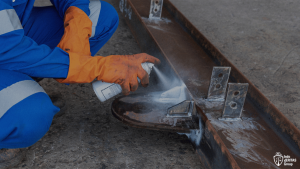
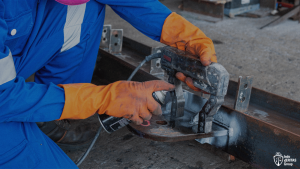
In Indonesia, K3 implementation refers to national regulations, such as Law No. 1 of 1970 on Occupational Safety. In practice, K3 includes the use of personal protective equipment (PPE), safety training, workplace environmental audits, and emergency response procedures tailored to each industrial sector.
What Is HSE (Health, Safety, and Environment)?
HSE is a broader risk management approach. In addition to covering occupational health and safety aspects, HSE also emphasizes the importance of managing the environmental impacts of industrial activities. This approach is widely adopted by multinational companies or industries with significant environmental impact.
HSE often refers to international standards such as ISO 14001 for environmental management and ISO 45001 (which replaced OHSAS 18001) for occupational health and safety management systems. The goal is to establish a working system that is not only safe for employees but also environmentally responsible.
Comparison Between K3 and HSE
Scope
K3 focuses on the safety and health of workers, aiming to ensure that they operate in a safe working environment. HSE, on the other hand, covers a broader scope, including the management of environmental impacts resulting from industrial operations.
Main Focus
The main focus of K3 is preventing workplace accidents and occupational diseases by controlling physical, chemical, biological, and ergonomic hazards. HSE, in addition to safeguarding worker health and safety, also seeks to minimize negative environmental impacts through waste management, emission control, and efficient use of natural resources.
Approach and Regulations
K3 is primarily guided by local regulations related to occupational safety. In Indonesia, this includes the Occupational Safety Law and its implementing regulations. HSE is more global and integrated in nature, referring to international standards for health, safety, and environmental management.
Implementation in Industry
K3 is commonly implemented in sectors with high risks to worker safety, such as construction, mining, and manufacturing. In contrast, HSE is widely applied in large-scale companies or industries such as energy and chemicals, where environmental issues are highly critical.
The Role of K3 and HSE in the Workplace
The Role of K3 in Ensuring Worker Safety
K3 helps companies create a safe working environment by identifying potential hazards, conducting risk assessments, and designing appropriate control measures. Effective K3 implementation can reduce workplace accidents and improve employee productivity. A clear example is the mandatory use of PPE in high-risk work areas.
The Role of HSE in Protecting Workers and the Environment
HSE provides a more comprehensive approach. It focuses not only on workers but also on environmental sustainability. This can be seen in industries such as chemicals or energy, where hazardous waste management and emission control are integral parts of company safety policies.
K3 vs HSE – Which Is More Important?
K3 and HSE are not mutually exclusive; rather, they complement each other. K3 is highly relevant for companies aiming to ensure maximum protection for their workforce. Meanwhile, HSE is essential for industries that must also consider the environmental impact of their operations.
Both are equally important in building a sustainable work system. A combination of K3 implementation and HSE principles can enhance public trust, ensure regulatory compliance, and create long-term added value for companies.
Want to ensure your workplace meets the highest occupational safety and health standards? Contact us for further consultation on implementing K3 and HSE solutions tailored to your industry’s needs.